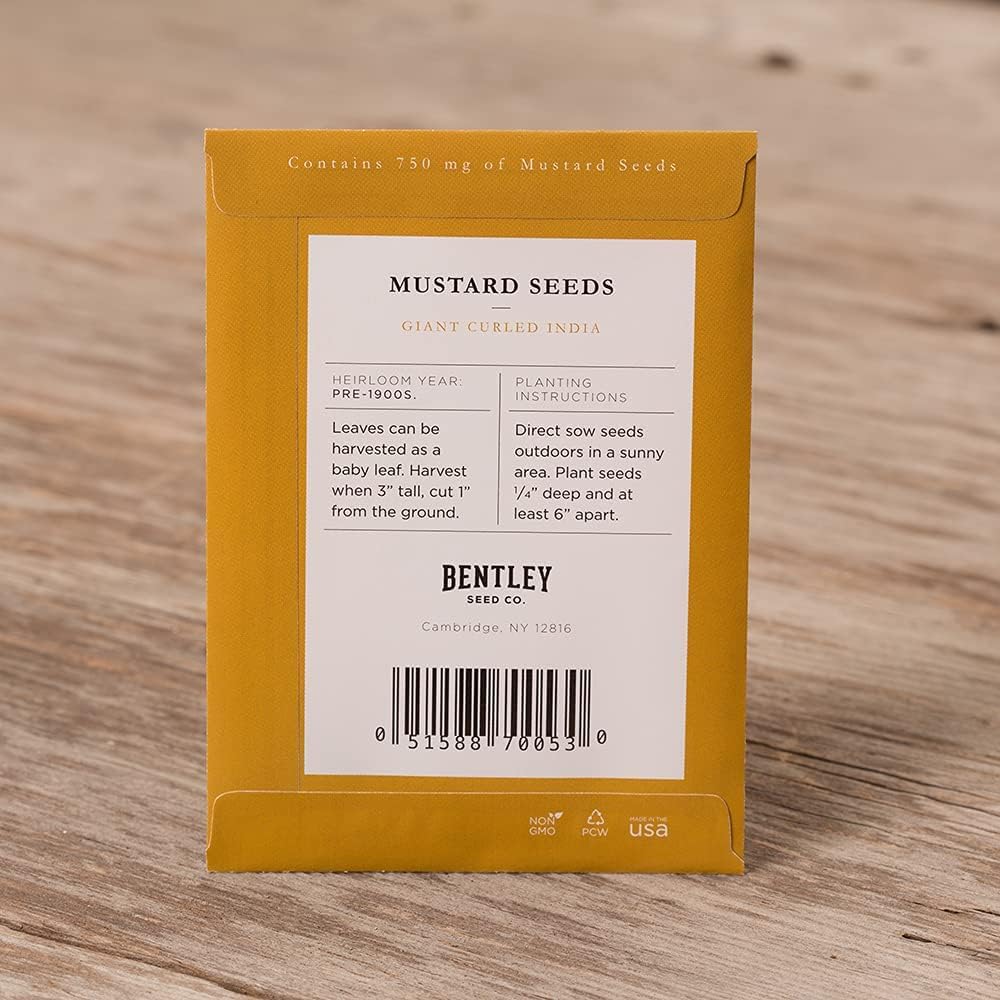
Seed packet favors are exactly what they sound like: small envelopes or folded packets filled with flower, herb, or vegetable seeds, given to guests at weddings, showers, and other celebrations as a take-home gift. They cost anywhere from under a dollar to around eight dollars per unit depending on customization, and they sit at the intersection of two things couples and planners increasingly care about — sustainability (meaning gifts that don’t become landfill) and memorability (meaning something guests actually interact with after the event). If you’ve been asked to source favors for an eco-conscious couple or you’re planning your own event and the usual options — candy almonds, mini candles, monogrammed tchotchkes — feel like a mismatch for your vibe, this guide is for you. We’ll cover how the category is structured, where the real cost variables live, which formats hold up at different guest counts, and the decision rules that separate a good seed packet program from one that looks great in photos but disappoints in practice.
Why This Category Has Legs (and Why It Took So Long to Scale)
The seed packet category has been a niche staple on wedding blogs for over a decade, but it’s only recently crossed into mainstream volume purchasing. The Knot’s 2025 Real Weddings Study noted a meaningful shift in couples prioritizing “sustainable or plantable favors” as a named category — a tracking signal the study hadn’t broken out separately in earlier years. Apartment Therapy’s coverage of plantable favor trends identifies the same momentum in the baby shower and milestone celebration segments, where the “gift that keeps growing” narrative resonates especially well with millennial and Gen Z hosts.
What held the category back historically was a unit-economics problem. True customization — your names, wedding date, and a custom design on the envelope — required minimum order quantities that only made sense at 100+ guests. Under that threshold, couples were either buying blank packets and hand-stamping them (labor-intensive, inconsistent) or paying per-piece premiums that pushed seed packets into the same price band as candle favors, which have stronger brand recognition and broader guest appeal.
That’s changed. Etsy’s artisan vendor ecosystem, combined with on-demand digital printing at small print shops, has compressed viable minimums. As of mid-2026, you can source fully customized seed packets in runs of 25–50 units without paying penalty pricing. That opens the category to micro-weddings, rehearsal dinners, and corporate welcome suites in a way it simply wasn’t accessible before.
The Real Cost Variables: What Actually Moves the Price
Seed packet favors look deceptively simple, but there are four cost levers that determine where you land on the per-unit range.
1. Seed selection. Wildflower mixes are the cheapest fill — frequently under $0.15 per packet in volume. Herb seeds (lavender, basil, thyme) run slightly higher but have stronger “I’ll actually use this” survey results among guests, per Brides’ roundup of favors guests actually keep. Specialty or regionally native seeds — important for buyers making environmental authenticity claims — cost more and require sourcing from vendors who can certify provenance, which adds lead time.
2. Envelope/packet material. Standard kraft paper envelopes are the baseline. Plantable paper packets — where the envelope itself is embedded with wildflower seeds and can be planted directly — carry a material premium of roughly $0.40–$0.80 per unit but add a second interaction moment that guests and reviewers consistently cite as a surprise-and-delight feature. If sustainability is a genuine brand value for your event (not just an aesthetic), plantable paper is the format that earns it.
3. Customization depth. A two-color printed design with names and date on a standard envelope is table stakes. Full-bleed custom illustration, foil stamping, or die-cut shapes move you into a different tier — typically from a specialty stationer or Etsy artisan rather than a bulk favor vendor. Lead times for illustrated custom work run 3–6 weeks minimum; budget 8 weeks if your event is in peak season (May–June, September–October).
4. Assembly and packaging. If you’re bundling seed packets with a secondary favor item — a small card with planting instructions, a length of twine, a dried flower stem — someone has to assemble those sets. Vendors who offer assembly charge for it. DIY assembly at scale is a legitimate cost if you’re billing your time honestly; many planners undercount it.
By the Numbers
| Format | Per-Unit Range (2026) | Minimum Order | Lead Time |
|---|---|---|---|
| Bulk unbranded wildflower mix | $0.50–$1.25 | 50–100 units | 1–2 weeks |
| Branded kraft envelope, digital print | $1.75–$3.50 | 25–50 units | 2–3 weeks |
| Plantable paper packet, custom print | $3.00–$5.50 | 25–50 units | 3–5 weeks |
| Artisan illustrated, foil detail | $5.00–$8.00 | 25 units | 6–10 weeks |
Format Decision: Packet vs. Plantable Paper vs. Bundled Set
This is where practitioners get it wrong most often: choosing a format based on what photographs well rather than what performs at the guest experience level. Here’s the honest comparison.
Standard seed packets are the workhorse. They’re legible at a glance — guests immediately understand what they are and what to do with them — and the low unit cost means you have budget left for a meaningful card or a quality display at the favor table. Martha Stewart Weddings’ coverage of seed packet favor ideas consistently returns to simple kraft packets as the format most likely to be planted, partly because they read as functional rather than decorative. Guests keep functional things.
Plantable paper scores well on novelty and sustainability credibility. The risk is that guests don’t know what it is without a label or instruction card — which adds a design and printing cost you need to budget. Reviewers of plantable paper favor vendors on Etsy frequently note that packets without clear instructions end up in recycling rather than soil, which is the exact outcome the format is meant to avoid. Invest in the instruction card; it’s not optional.
Bundled sets — a seed packet paired with a small pot, a packet of soil, or a companion keepsake — shift the category toward the $12–$25 per-guest range and compete directly with candle favors and custom ceramic items on price. At that budget, you should be making an active choice that the bundle’s coherence justifies the premium, not just adding items because they’re available. The strongest bundled sets have a clear narrative: a herb seed packet with a hand-stamped terracotta pot and a recipe card, for example, has internal logic. A seed packet plus a generic ribbon plus a candy has none.
Survivability: Who Actually Plants These?
This is the honest question that determines whether seed packet favors are right for your event. No favor category has 100% engagement; the goal is choosing a format whose miss rate you can accept.
Across aggregated guest behavior surveys cited in Brides’ favors coverage, plantable and seed-based gifts consistently rank above generic edible favors and branded tchotchkes for retention — meaning guests report keeping them at higher rates. The caveat is that “keeping” and “planting” are different outcomes. Guests in urban apartments without outdoor space are less likely to plant herb seeds than guests in suburban or rural contexts. Wildflower seed mixes perform better across housing types because they can be started in a container on a balcony — a meaningful distinction if your guest list skews urban.
The instruction card, again, is the highest-leverage variable. Apartment Therapy’s plantable favor coverage makes the same point: a seed packet with clear, friendly planting instructions (soil depth, sunlight needs, watering basics) dramatically increases the likelihood that the favor becomes a plant rather than a drawer item. This isn’t expensive to solve — a well-designed 2x3 inch card costs pennies at scale — but it requires that someone on the planning side actually writes the copy and designs the card intentionally.
Sourcing: Where to Find Reliable Vendors
For practitioners managing multiple events, vendor reliability matters more than any single price point. The seed packet category has a long tail of Etsy shops with variable quality control and inconsistent lead time communication.
The most consistent sourcing pattern identified across planner community discussions is a two-vendor approach: a specialty print vendor for the custom envelope design (someone with a proven track record on foil or digital printing for event stationery), and a separate seed supplier who can provide certified, regionally appropriate seeds in bulk. This decoupled approach gives you quality control at both ends and flexibility to adjust one without renegotiating the other.
For clients who want a turnkey solution and are willing to pay for it, several Etsy artisan studios have built end-to-end seed packet programs — design, print, seed fill, and assembly — with strong review histories. Martha Stewart Weddings has featured several in their favor roundups; those editorial placements are a reasonable signal of vendor longevity and quality consistency, since the publication revisits sourcing annually.
For corporate event managers sourcing welcome suite components, seed packets are a strong fit for sustainability-forward brand narratives, but require slightly more lead time planning than retail-facing vendors advertise. Build in a two-week buffer beyond any stated lead time when sourcing for events over 200 units with custom branding.
The Decision Rule
If your event has a genuine sustainability narrative — couples who compost, clients whose brand centers environmental values, hosts who will feel uncomfortable with favor waste — seed packet favors are one of the few formats that earns that narrative authentically rather than just signaling it. Pair them with a plantable paper format or a certified-seed fill, invest in the instruction card, and price accordingly.
If sustainability is one of several nice-to-haves but not the core event identity, standard kraft seed packets in the $2–$4 per-unit range are a clean, cost-effective, visually flexible favor that guests keep at above-average rates. They don’t require a brand story to justify them — they’re just good favors.
If you’re on the fence because your guest list skews urban or apartment-dwelling, go with wildflower mix over herb seeds, write the instruction card with container gardening explicitly in mind, and accept that 70% engagement is the realistic ceiling — which still outperforms most favor categories. The Knot’s 2025 data suggests couples who shifted to sustainable favor formats reported higher post-event satisfaction with their favor choice, even accounting for the slightly higher planning complexity. That’s the tradeoff in plain terms: a little more coordination up front, and a favor that doesn’t end up in a landfill.